
The coffee industry is booming, and more entrepreneurs than ever are turning their passion for great coffee into thriving online businesses. The global online coffee market is projected to grow at a CAGR of 12.82% between 2026 and 2035, a clear sign that consumers are increasingly comfortable buying their beans, grounds, and brews straight from the internet. Whether you dream of shipping single-origin beans from your own roast or building a subscription brand people can’t stop talking about, selling coffee online has never been more accessible. You don’t need a storefront, a large budget, or years of industry experience, just the right strategy.
This guide walks you through everything required to launch and grow a successful online coffee business: sourcing quality beans, building a brand people trust, setting up your store, marketing effectively, and scaling once the orders start coming in.
Understanding the Online Coffee Market

Before sourcing beans or designing a logo, it’s worth understanding the landscape you’re entering.
Market size and growth. According to a recent global coffee market study, the market is valued at over $185 billion in 2026 and continues expanding steadily, with the online segment growing even faster on the back of subscription services, mobile ordering, and direct-to-consumer sales. Specialty and single-origin coffee is outpacing the broader market as buyers seek traceability and authenticity, creating real opportunity for smaller, independent sellers.
The main business types you’ll see online:
- Roasters roast their own beans and ship directly to customers
- Private label sellers partner with an existing roaster and focus on branding and sales
- Subscription brands deliver curated beans on a recurring schedule
- Wholesalers supply cafés and offices rather than individual consumers
- Dropshippers sell coffee products without holding inventory
Finding your niche. Trying to appeal to everyone rarely works in a market this competitive. Successful brands carve out something specific: ethically sourced single-origin beans, flavored blends, decaf for health-conscious buyers, cold brew concentrates, or coffee suited to a lifestyle like keto or low-acid diets. A clear niche makes your marketing sharper and your customers more loyal.
Once you have a niche in mind, study who else is selling in that space: their pricing, packaging, site experience, and what customers say in reviews. This isn’t about copying, it’s about knowing what the market expects so you can decide where to meet it and where to stand apart.
Choosing Your Business Model
Your business model shapes everything downstream, from how much capital you need to how much control you have over quality and pricing.
| Model | Control | Startup Cost | Best For |
|---|---|---|---|
| Roast-and-Ship | Highest | High | Building a brand around your own roasting style |
| Private Label | Medium | Medium | Fast launch without learning to roast |
| Dropshipping | Lowest | Low | Testing the market with minimal risk |
| Subscription Box | Medium-High | Medium | Recurring revenue and customer retention |
| Wholesale + Retail Hybrid | Medium | Medium-High | Diversifying income across B2B and B2C |
Roast-and-ship gives you the most control. You source green, unroasted beans, roast them yourself, and ship directly to customers, a genuine differentiator customers can taste. It just takes equipment, space, and time to learn properly.
Private label means partnering with an established roaster who produces coffee under your brand name while you handle branding and sales. Faster to launch, less control over the final product.
Dropshipping is the lowest-barrier entry: list products, and when someone orders, your supplier roasts, packs, and ships. You never touch inventory, but margins run thin.
Subscriptions turn one-time buyers into recurring revenue. Rotating single-origin beans or seasonal blends keeps subscribers engaged since novelty matters here.
Wholesale and retail hybrids combine stable, larger wholesale orders with the visibility and direct relationships that retail sales bring.
Sourcing Your Coffee
The quality of your coffee is the foundation everything else is built on. No branding fixes a product that doesn’t taste good.
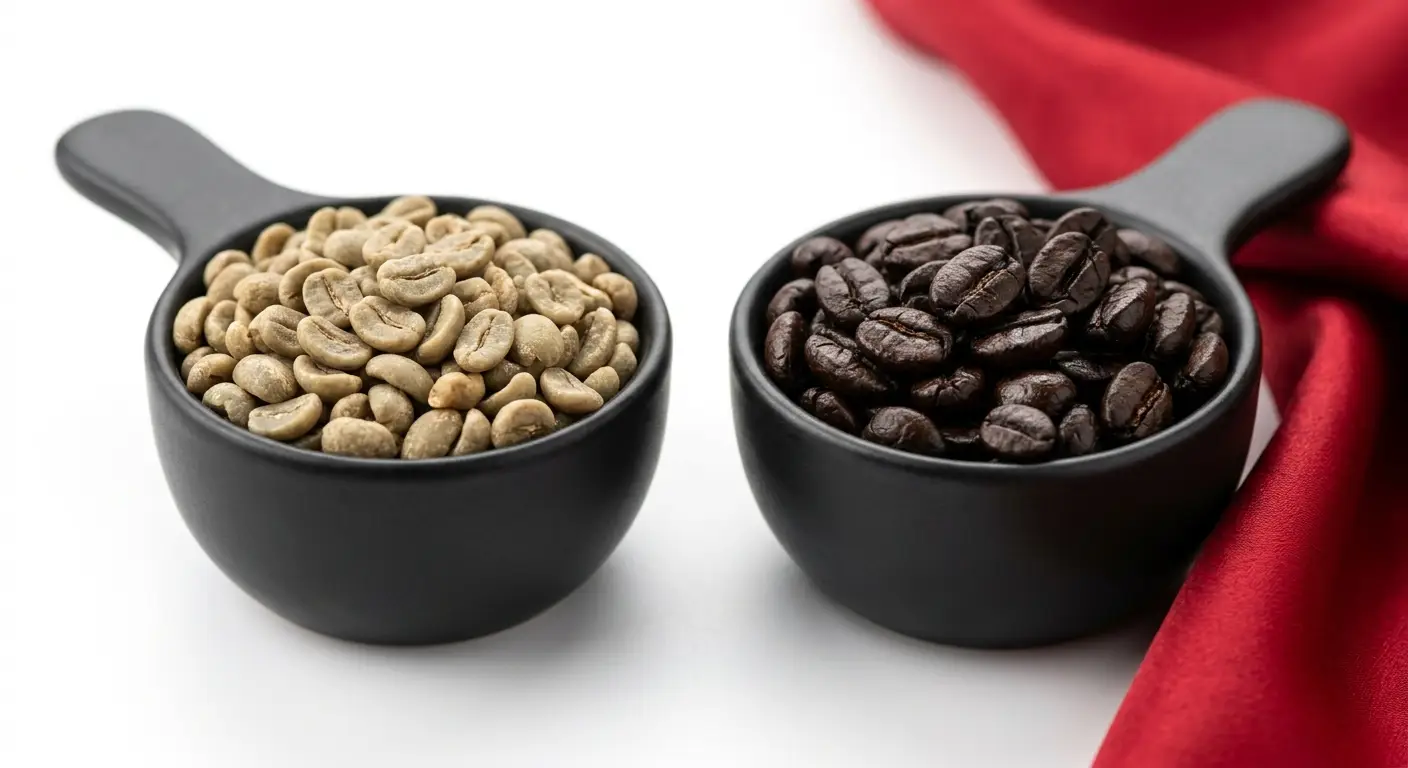
- Find a green coffee supplier. If you’re roasting yourself, you need a reliable source of unroasted beans. Importers connect roasters with farms and cooperatives by origin, processing method, and grade. A trustworthy relationship means consistent quality once you scale.
- Or partner with a local roaster. Many offer private label arrangements, roasting and packaging under your brand for a per-unit cost. You get their expertise and equipment without running a roastery yourself.
- Prioritize ethical sourcing. Certifications like Fair Trade, Rainforest Alliance, and USDA Organic build trust. Direct trade relationships, where you or your supplier buys straight from farmers, are gaining popularity for better grower pay and stronger traceability.
- Taste test everything before committing. Cupping, the standard method for evaluating aroma, flavor, and quality, is worth learning even at a basic level. Order samples, brew them consistently, and compare batches side by side.
Branding Your Coffee Business
In a market as crowded as coffee, your brand is often what makes someone choose you over the dozens of other options a quick search away. Good branding builds trust before a customer ever tastes your product, and it’s what keeps them coming back once they do.
Naming Your Brand
Your name is the first impression, so it’s worth real time and thought. A good coffee brand name is memorable, easy to say and spell, and hints at your personality or niche: playful, premium, rustic, or minimalist. Before committing, check that the domain and social handles are available and confirm the name isn’t already trademarked by another coffee business.
Logo and Packaging Design
Your logo and packaging are often the first physical thing a customer interacts with, and in a category like coffee, presentation genuinely matters. Consider how your packaging looks on a shelf or in a photo, but also how functional it is, since coffee needs to stay fresh. Valve bags, resealable pouches, and clear labeling all play a role in both aesthetics and practicality.
Crafting Your Brand Story
People connect with stories more than products. Maybe you started roasting in a garage, maybe you’re passionate about supporting a specific farming community, or maybe you simply couldn’t find a coffee that matched your taste. Whatever your story is, tell it clearly and consistently across your website, packaging, and social media, it gives customers a reason to care beyond the coffee itself.
Defining Your Brand Voice
Your brand voice is how you sound across every touchpoint: website copy, emails, social captions, and customer service replies. Warm and conversational, or polished and expert? Playful, or minimal and understated? Whatever tone you choose, consistency is what makes a brand feel established rather than scattered, define it early and apply it everywhere.
Setting Up Your Online Store
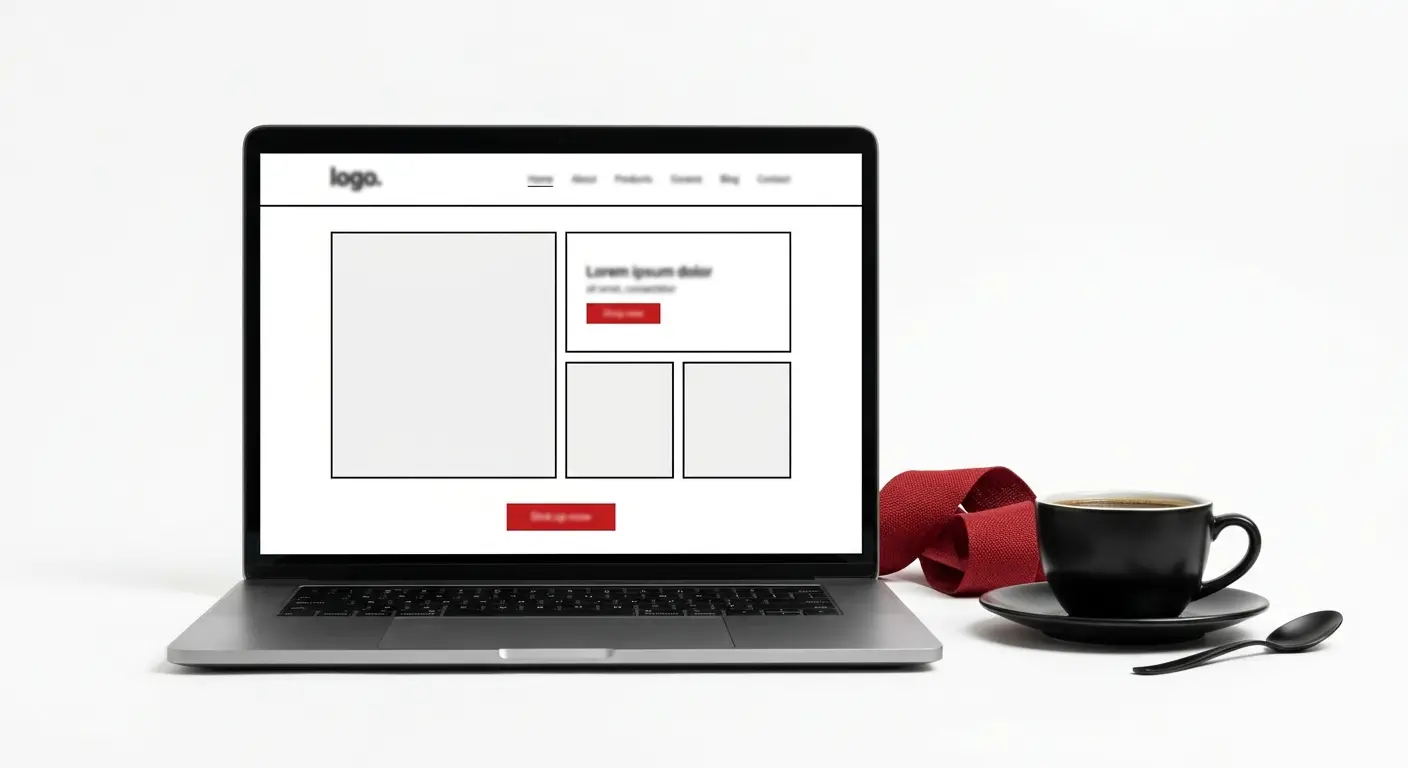
With your brand and sourcing sorted, it’s time to build the place where customers will actually buy from you. Your store needs to look trustworthy, load quickly, and make the buying process as simple as possible, since even small friction points can cost you sales.
Choosing an E-commerce Platform
Shopify is the most popular choice for coffee businesses thanks to its ease of use and coffee-specific apps for subscriptions and inventory. WooCommerce offers more flexibility for those comfortable with WordPress and wanting deeper customization. BigCommerce suits businesses planning to scale quickly, while Etsy works well for smaller, artisanal sellers looking to reach an existing marketplace audience without building a site from scratch. Choose based on your budget, technical comfort, and growth plans.
Product Photography Tips
Coffee is a sensory product, and since customers can’t smell or taste it online, your photography has to do the selling. Invest in clean, well-lit shots of your packaging from multiple angles, alongside lifestyle images showing the coffee being brewed or enjoyed. Close-ups of the beans themselves help communicate quality and freshness, especially for single-origin or specialty products.
Writing Product Descriptions That Sell
A good product description does more than list roast level and origin, it helps the customer imagine the experience. Describe the flavor notes, the aroma, and the moment this coffee is best suited for, whether that’s a slow Sunday pour-over or a quick morning pick-me-up. Keep it scannable with short paragraphs or bullet points, and always include practical details like roast date, origin, and brewing recommendations.
Pricing Strategy
Pricing coffee correctly means accounting for every cost, not just the beans. Factor in packaging, labels, shipping materials, payment processing fees, and your own time, then build in a healthy margin. Research what similar quality coffee sells for in your niche, so you’re neither pricing yourself out of the market nor underpricing in a way that signals lower quality or erodes your profit.
Setting Up Subscriptions and Bundles
Subscriptions and bundles are two of the most effective ways to increase average order value and customer lifetime value. Offer flexible subscription options, frequency and quantity, so customers feel in control rather than locked in. Bundles, such as pairing beans with a reusable filter or a mug, can boost first-time purchase size and introduce customers to products they may buy separately later.
Legal and Logistical Essentials

Easy to overlook, expensive to ignore.
- Licensing: most regions require a business license, a food handling or seller’s permit, and possibly a separate one if roasting on-site. Check local health regulations even if you’re online-only.
- Packaging: valve bags let CO2 escape without letting oxygen in. Labels may need net weight, ingredients, and roast date by law.
- Shipping: coffee is sensitive to air, light, heat, and moisture. Use sealed, cushioned materials and compare carriers on reliability and cost. Build shipping into your pricing upfront rather than surprising customers at checkout.
- Insurance: general liability covers harm claims; product liability matters specifically because you’re selling something people consume. Roasting on-site may need equipment and workspace coverage too.
Marketing Your Online Coffee Store

You can have the best coffee in the world, but if no one knows your store exists, it won’t sell itself. Marketing connects your product to the right customers, and for a coffee business, it’s often the difference between a one-time sale and a loyal, repeat buyer.
SEO for Coffee Keywords
Search engine optimization helps your store show up when people are actively looking to buy coffee online. Focus on keywords tied to your niche, “single-origin coffee beans online” or “best decaf coffee subscription”, rather than competing for broad, generic terms dominated by big brands. Optimize your product pages, blog content, and image alt text, and make sure your site loads quickly, since page speed also affects search rankings.
Content Marketing Ideas
Blogging and educational content build trust and bring in organic traffic over time. Brewing guides, origin stories about the farms you source from, comparisons between roast levels, and tips on storing coffee properly all give customers a reason to visit your site beyond checking out. This content also supports your SEO efforts, since it targets the questions your potential customers are already searching for.
Social Media Strategy
Coffee is a highly visual, highly shareable product, making platforms like Instagram and TikTok especially valuable. Share behind-the-scenes roasting content, latte art, brewing tutorials, and customer testimonials to build a community around your brand. Consistency matters more than perfection, showing up regularly with authentic content tends to outperform occasional, overly polished posts.
Email Marketing and Retention
Email remains one of the highest-return marketing channels available, especially for a repeat-purchase product like coffee. Use welcome sequences to introduce new subscribers to your brand story, send restock reminders before customers run out, and share exclusive offers or early access to new blends. Segmenting your list by purchase behavior lets you send more relevant, effective messages instead of generic blasts.
Influencer and Community Partnerships
Partnering with micro-influencers in the coffee or lifestyle space introduces your brand to an engaged, relevant audience without the cost of celebrity endorsements. Look for creators whose values align with your brand, whether that’s sustainability, home brewing culture, or a specific aesthetic. Local partnerships, like collaborating with a coffee shop or food blogger in your area, also build credibility and community trust.
Paid Advertising
Paid ads on platforms like Meta and Google Shopping can accelerate growth once you have a clear sense of your audience and messaging. Start with a modest budget, test different creatives and targeting options, and track which campaigns actually drive profitable sales rather than just traffic. Retargeting ads, shown to people who’ve visited your site but not purchased, tend to perform especially well for a considered purchase like specialty coffee.
Building Customer Loyalty

A new customer costs far more to acquire than an existing one costs to keep.
- Subscriptions and rewards: points redeemable for discounts, free bags, or exclusive blends keep customers choosing you over a competitor
- Personalized touches: a handwritten note, a tailored recommendation, a small surprise in the packaging; low cost, often shared on social
- Fast, genuine customer service: how you handle a problem is remembered longer than when everything goes right
- Reviews and referrals: make leaving a review easy, and reward customers for bringing in friends.
Scaling Your Coffee Business
Once your online coffee business has found its footing and has a steady base of customers, the next challenge is growth. Scaling isn’t just about selling more of the same thing, it’s about expanding thoughtfully so quality and customer experience don’t suffer along the way.
Expanding Your Product Line
Adding complementary products is one of the most natural ways to grow revenue from your existing customer base. Branded merchandise like mugs or tote bags, brewing equipment such as pour-over kits or French presses, and curated gift sets for holidays or special occasions all give customers more reasons to buy and more value per order. The key is staying true to your brand rather than adding products just because they’re trending.
Wholesale and B2B Opportunities
Supplying cafés, restaurants, hotels, or offices opens up a more stable, higher-volume revenue stream alongside your direct-to-consumer sales. Wholesale relationships often mean larger, recurring orders, though they typically come with tighter margins, so calculate pricing carefully before pursuing this route. Reaching out to local businesses that align with your brand values is a good starting point.
International Shipping
Expanding beyond your home country can significantly grow your customer base, but it comes with added complexity around customs, duties, and longer transit times that can affect freshness. Research the regulations for coffee imports in target countries, consider working with a fulfillment partner experienced in international shipping, and be transparent with customers about extra costs or delivery timelines before checkout.
Automating Fulfillment
As order volume grows, manually packing and shipping every order becomes unsustainable. Look into fulfillment centers or software that can automate inventory tracking, order packing, and shipping label generation, freeing up your time to focus on growth rather than repetitive logistics. Automating subscription billing and renewal reminders also reduces the manual work involved in retaining recurring customers.
Common Mistakes to Avoid
Even with a solid plan, a handful of mistakes trip up a lot of new coffee businesses. Knowing what to watch for ahead of time can save you money, time, and a few hard lessons.
- Underpricing Your Products: It’s tempting to price low when starting out, especially when competing against bigger, established brands. But underpricing often backfires, it can signal lower quality to customers and leaves you with razor-thin margins that make it hard to sustain or grow the business. Calculate your true costs and price with enough margin to run a healthy business.
- Ignoring Freshness and Shelf Life: Coffee starts losing flavor shortly after roasting, and customers notice. Selling coffee that’s been sitting in inventory too long, or failing to communicate roast dates clearly, leads to disappointed customers and poor reviews. Build your inventory and fulfillment process around freshness, and consider roasting to order or in smaller batches if volume allows.
- Poor Packaging Practices: Packaging that isn’t designed to protect coffee properly can undo all the work put into sourcing good beans. Bags without one-way valves can trap gas and cause packaging to bulge or burst, while flimsy shipping materials can lead to bags arriving crushed or damaged. Investing in the right packaging upfront costs more but protects both your product and your brand’s reputation.
- Neglecting SEO and Content Early On: Many new coffee businesses focus entirely on paid ads or social media and treat SEO and content as an afterthought. The problem is that organic traffic compounds over time, while paid traffic stops the moment you stop paying for it. Starting content marketing and basic SEO early, even before you have a large following, sets you up for more sustainable, lower-cost growth down the line.
Conclusion
Selling coffee online is a genuine opportunity, but it takes more than a love of good coffee to build a business that lasts. From choosing the right business model and sourcing quality beans, to building a brand people trust and setting up a store that converts, every step you take now lays the groundwork for the business you’ll be running a year or five years from now.
The businesses that succeed aren’t necessarily the ones with the biggest budgets. They’re the ones that stay consistent, listen to their customers, and keep improving over time. Freshness, transparency, and genuine care for the customer go a long way in an industry built on trust.
Don’t try to do everything at once. Pick your niche, source your first batch of beans, and get your store live. Refine your marketing, expand your product line, and scale as you learn what your customers actually respond to. The most important step is simply starting.